

In 2025, SEO for small businesses has become an essential tool for growth and success. With increasing competition and the rise of AI-assisted search engines, small businesses need to leverage search engine optimization to enhance their online presence. By improving website optimization and utilizing local SEO, businesses can attract more organic traffic and engage customers effectively.
A well-executed SEO strategy not only boosts search engine ranking but also helps small businesses build credibility and trust with their audience. This comprehensive guide will walk you through the best practices for SEO, offering practical steps to ensure your business stands out in today’s digital landscape.
What is SEO for Small Businesses?
SEO for small businesses is the process of optimizing your website to make it more visible on search engines like Google, Bing, and Yahoo. When your website ranks higher in search results, you get more visitors, which increases the chances of converting them into customers.
In today’s world, SEO is no longer optional for small businesses. With the rise of generative AI and smart search tools, it’s essential to stay ahead of the competition. SEO techniques such as keyword research, content optimization, and backlinks help your website perform better, ensuring that your business appears in front of people searching for your products or services.
How Does SEO Work for Small Businesses?
SEO works by improving how search engines view your website. Search engines like Google use algorithms to determine which websites show up on top when someone searches for a specific term. They look at things like content quality, backlinks, user experience, and the technical setup of your site.
Search engines send out web crawlers that scan your website. If your content answers the searcher’s query well, and if your website is easy to navigate, it will rank higher. By implementing on-page SEO (like keyword usage in titles and meta descriptions) and off-page SEO (such as getting backlinks), you help these crawlers understand your site’s relevance.
Why is SEO Important for Small Businesses in 2025?
SEO remains one of the most cost-effective marketing strategies. Paid search ads can be expensive, especially for small businesses. But with SEO, you can generate organic traffic over time without spending on ads. It’s a long-term investment that keeps paying off.
For small businesses, local SEO is especially important. When someone searches for a product or service near them, a good Google Business Profile can help your business appear in local searches. Google reviews also play a role in building your brand authority, showing potential customers that your business is trustworthy.
SEO for Small Businesses: Step-by-Step Guide
Step 1: Conduct Comprehensive Keyword Research
The first step in SEO for small businesses is identifying the right keywords. Keyword research helps you find out what terms and phrases people are searching for online. Use tools like Google Search Console and SEO tools to discover the most relevant keywords for your business. Focus on long-tail keywords—phrases that are more specific and less competitive.
Once you have your keywords, use them in your website’s content. Make sure the keywords fit naturally and don’t feel forced. This will help improve your SEO ranking and drive more organic traffic to your site.
Step 2: Optimize On-Page SEO
On-page SEO refers to optimizing the content on your website. Start by ensuring your title tags and meta descriptions include your target keywords. These are the first things people see in search results, so make them catchy and relevant.
Also, use internal linking to connect your pages. This helps search engines understand your website’s structure and can improve user experience. Lastly, ensure your website content is high-quality, relevant, and easy to read, which will increase your chances of ranking higher.
Step 3: Set Up and Optimize Your Google Business Profile
Setting up a Google Business Profile is one of the best things you can do for local SEO. This free tool allows your business to show up on Google Maps and local search results. Fill out your profile completely with accurate business information, images, and customer reviews.
A well-optimized Google Business Profile helps you stand out in local searches, bringing in more customers. Make sure to respond to customer reviews and keep your profile updated.
Step 4: Focus on Mobile Optimization
In 2025, mobile-friendly websites are a must. A significant number of users browse the internet on their phones, so having a website that works well on mobile devices is essential for SEO. Google gives preference to websites that are mobile-optimized.
Test your website using Google’s mobile-friendly test tool. If your site doesn’t perform well on mobile, consider switching to a responsive design. This ensures your website looks good and functions properly on all screen sizes.
Step 5: Create High-Quality, Relevant Content
Content is king when it comes to SEO for small businesses. High-quality content answers the questions your potential customers are asking. Create blog posts, how-to guides, or case studies that address your audience’s needs. Also, try adding video content for SEO—this is becoming increasingly important as more people consume video online.
Regularly updated content can also help maintain your domain authority, as search engines favor fresh, relevant material. Focus on creating original, expert-level content that showcases your business’s knowledge in your industry.
Step 6: Build Quality Backlinks
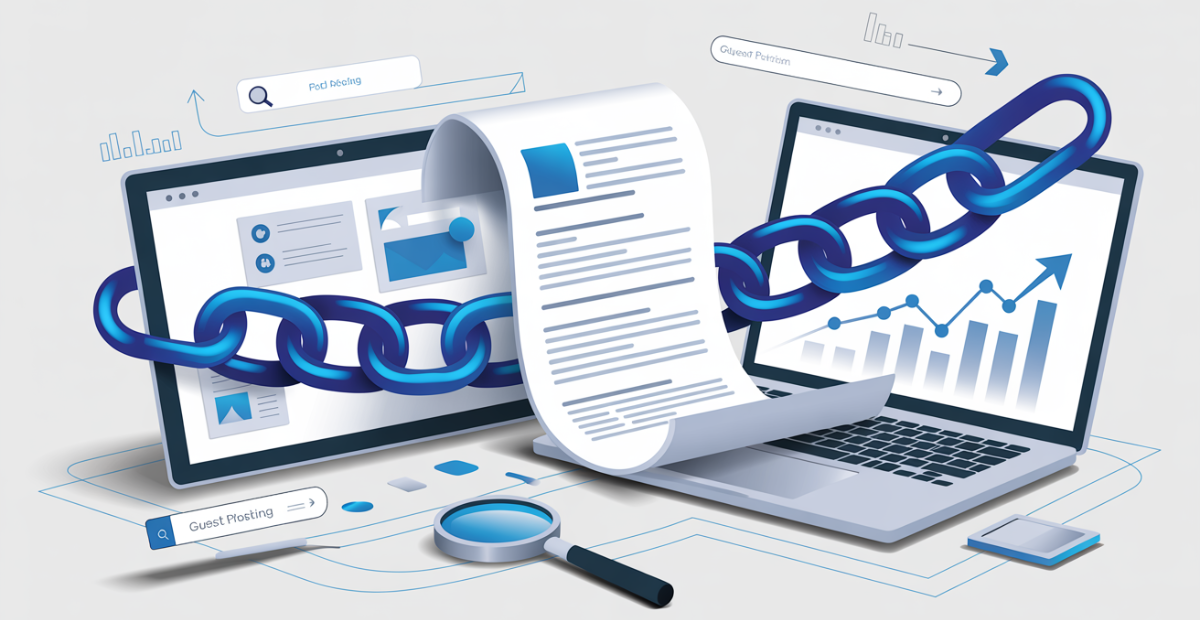
Backlinks are links from other websites that point to your content. They act as votes of confidence for your website, signaling to search engines that your content is valuable. The more high-quality backlinks you have, the better your site will rank.
Focus on building relationships with reputable sites in your industry to earn valuable backlinks. Backlink strategy is a long-term effort, but it’s one of the most effective ways to boost your SEO rankings.
Measuring and Tracking SEO Success for Small Businesses
Tracking your SEO performance is essential for understanding how well your efforts are working. Use SEO performance tools like Google Analytics and Google Search Console to track important metrics such as organic traffic, bounce rate, and conversion rate.
These tools also help you monitor SEO ranking factors, so you can adjust your strategy as needed. Keep an eye on your website’s performance over time and make improvements where necessary.
Common SEO Mistakes Small Businesses Should Avoid
Even small businesses make SEO mistakes that hurt their rankings. One common error is neglecting mobile optimization. Another mistake is overstuffing your content with keywords—this can actually hurt your rankings. It’s important to maintain a balance between optimizing for search engines and creating content that’s useful to your readers.
Ignoring local SEO is another issue. Make sure to regularly update your Google Business Profile and get Google reviews to improve your visibility in local searches.
How Much Does SEO for Small Businesses Cost in 2025?
The SEO cost for small businesses varies depending on whether you do it yourself or hire professionals. Doing SEO in-house can be cost-effective, but it takes time and expertise. If you choose to work with an SEO agency, expect to pay around $3,500 per month. However, the ROI from SEO can be significant, especially when compared to the continuous cost of paid search ads.
SEO for Small Businesses: What’s Next?
As AI continues to impact the way we search, businesses need to stay updated on the latest SEO trends. Generative AI, Answer Engine Optimization (AEO), and Generative Engine Optimization (GEO) are changing how search engines present information. To stay competitive, small businesses must optimize for AI-assisted search engines and focus on providing high-quality content.
Additionally, focusing on SEO measurement and AI visibility monitoring will help you track how well your site performs in an AI-driven world.
Conclusion
SEO for small businesses is an ongoing process, but the results are worth the effort. By following this comprehensive step-by-step guide, you can improve your search engine rankings, increase organic traffic, and ultimately grow your business. Stay committed to refining your SEO strategy, and your small business will thrive in the digital world.
FAQs
How to do SEO for small businesses?
To do SEO for small businesses, start by conducting keyword research to identify what potential customers are searching for. Optimize your website’s on-page SEO, including title tags, meta descriptions, and headings. Focus on local SEO to attract nearby customers by setting up and optimizing your Google Business Profile. Create high-quality, relevant content that answers your audience’s needs. Build backlinks from trusted websites, and ensure your website is mobile-friendly and fast.
What is the 80/20 rule for SEO?
The 80/20 rule for SEO suggests that 80% of your SEO success comes from focusing on the most impactful activities, such as targeting high-converting keywords and building authoritative backlinks. Spend your time on what generates the best results, like optimizing your main pages, rather than spreading efforts too thin across many smaller SEO tasks.
Does SEO work for small businesses?
Yes, SEO works effectively for small businesses. It helps increase organic traffic and improves your search engine ranking, making it easier for potential customers to find your business. When implemented correctly, SEO allows small businesses to compete with larger companies without the need for expensive paid ads.
Which SEO tool is best for small businesses?
For small businesses, tools like Google Search Console, SEMrush, and Ahrefs are highly recommended. These tools help you track SEO performance, perform keyword research, and analyze website health. They offer valuable insights into how to improve your website’s SEO and drive more traffic, without being overwhelming for beginners.
Can ChatGPT do SEO?
ChatGPT can help with various SEO tasks, such as generating content, suggesting keywords, and improving existing text for better readability. However, it doesn’t replace technical SEO tasks like site audits, link-building, or performance tracking, which require specialized tools and expertise.
Can I do SEO by myself?
Yes, you can do SEO by yourself. With the right tools and resources, anyone can learn and implement SEO strategies. Start with keyword research and on-page SEO, then move to content creation and link-building. Stay up to date with the latest trends to ensure your efforts are effective and competitive.